Film critic MacDonald said that there was not much going on in the movie ‘Haute Cuisine’, but I don’t think so. Haute Cuisine is an entertaining movie that highlights the intersection of food with gender and nationalism.
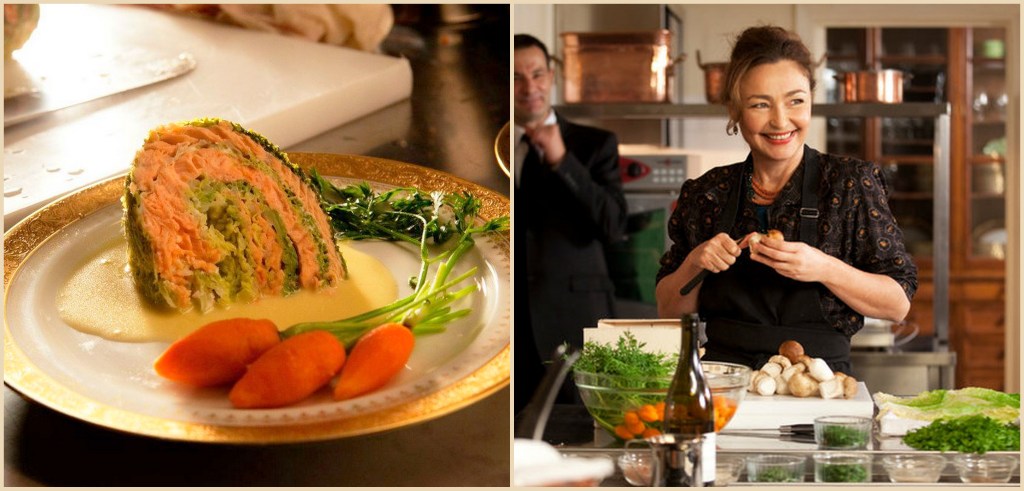
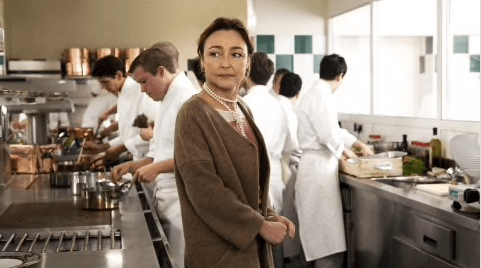
Indeed, the protagonist (Hortense Laborie) might not have the grand intentions to revolutionize French cuisine. It is a foodie film that conjures mouthwatering French regional dishes for the President and his guests to dine. Yet the kitchen dynamics were very gendered; Laborie was a female chef in a kitchen dominated by male. Scorned for securing a position as the President’s private chef, they dubbed her as ‘Madame Du Barry’, the mistress of Louis XV. Again, most of the reputed French chefs, such as Careme and Escoffier, were male. With ambitions of popularizing French cuisine, they rose from the bottom to attain prestige. But Laborie’s success wasn’t hindered by lack of ambition or hard work; it was structural inequality that propelled her to quit as President’s Chef.
Laborie was often ridiculed for her regional cooking. Haute cuisine is representative of french culinary identity, and many of her male colleagues supported such perception. However, the effect of showcasing regional food was to decentralize France’s culinary culture. It is definite that not everyone dine Parisian haute cuisine. Perhaps, the ridicule she received was due to the perception of haute cuisine as the highest form of culinary art. Hence, the emphasis on regional cooking seems to be a subtle attempt to challenge our perspective of France’s national identity and food.
 Annette's Taste of Europe