In search of European food in Melbourne, I went on a culinary adventure around Fitzroy’s Brunswick St (south of Johnson st). Famous for their vintage stores and trendy bars, this strip is also known for a plethora of affordable restaurants.
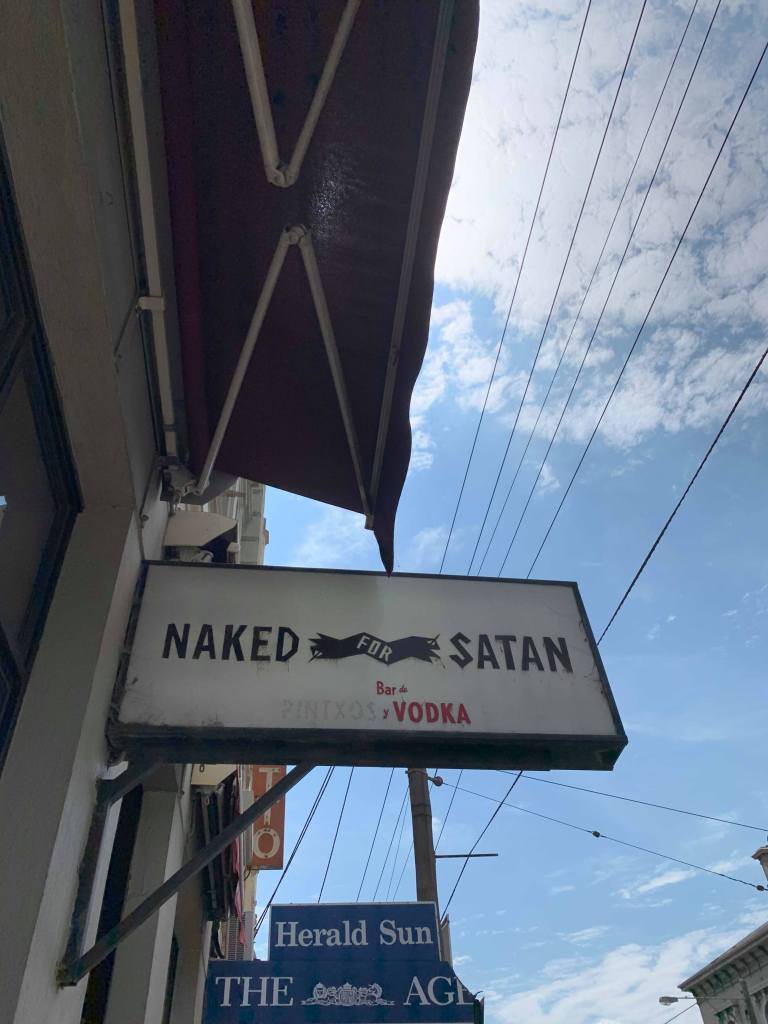
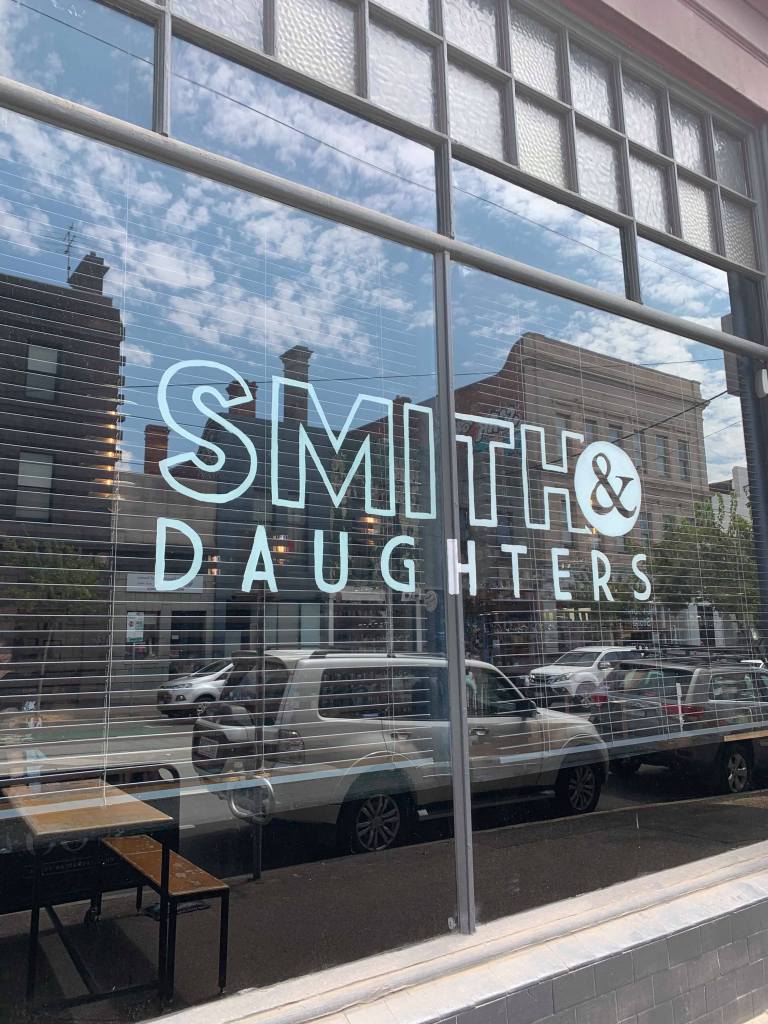
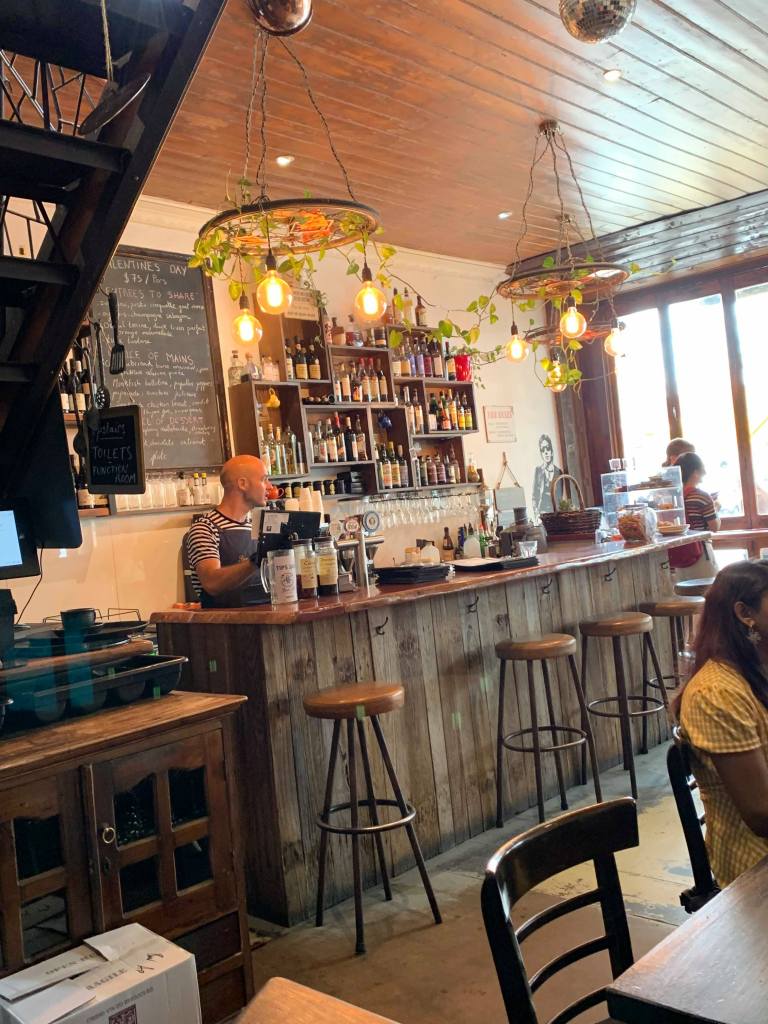
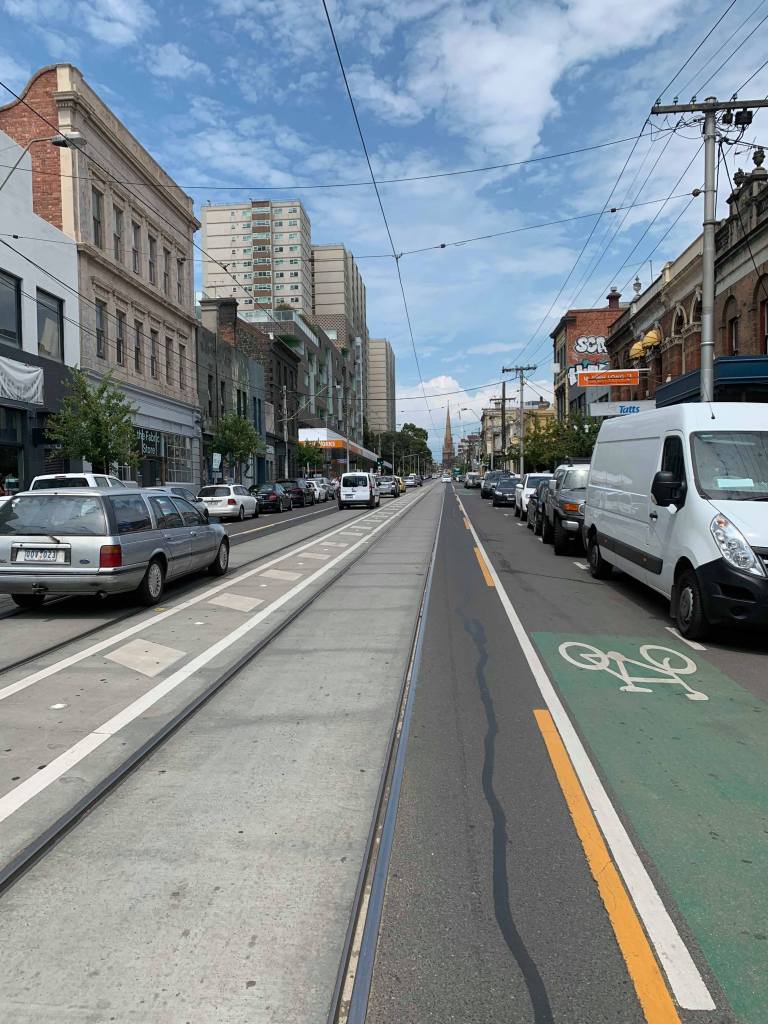
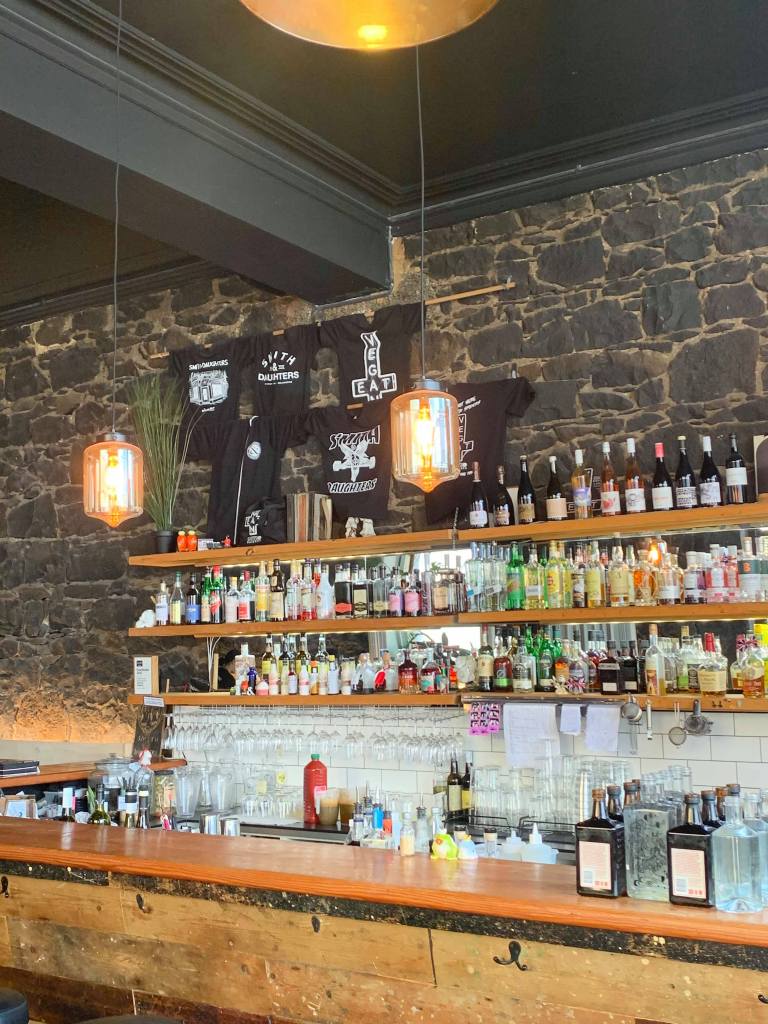
At first glance, this strip seems to only cater to the bohemian youth. People around me had colourful hair and Dr Marten Boots. As I walked past the restaurant Smiths and Daughters, I can sense how the modern decor fits into the trendiness of this street. I peered into the menu plastered in the windows of a bar, to which they had Spanish fusion food. But when I later dined at a french bistro, the place felt like a mini replica of Paris. So here is a street filled with diverse culinary trends, from traditional cuisines to innovative fusion food.
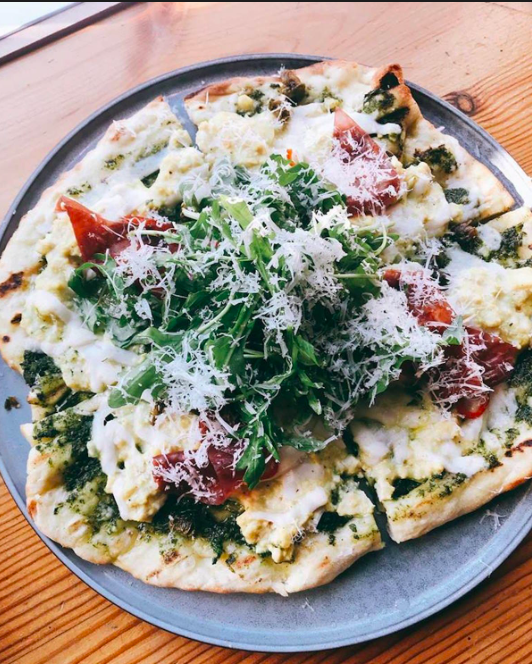
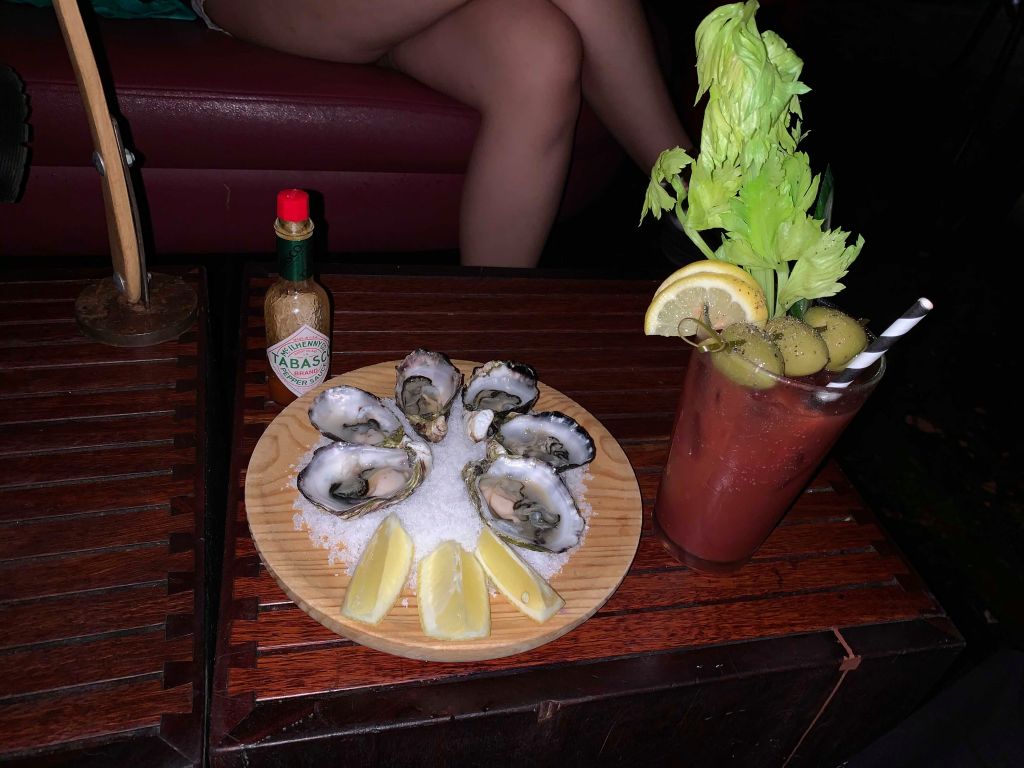
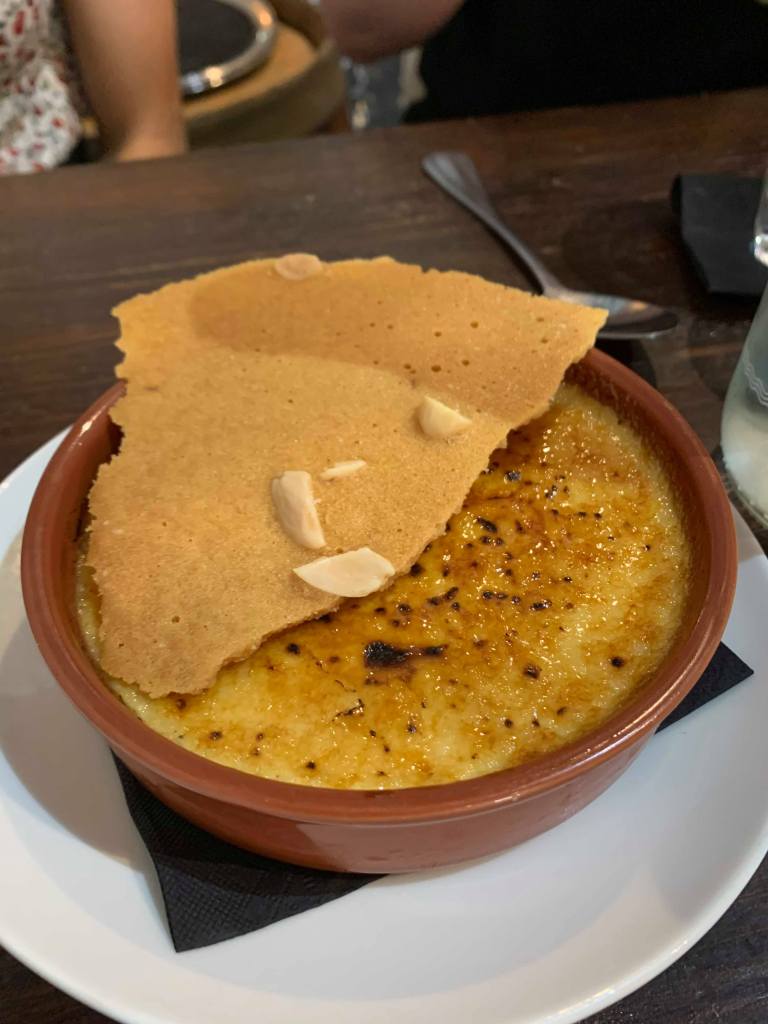
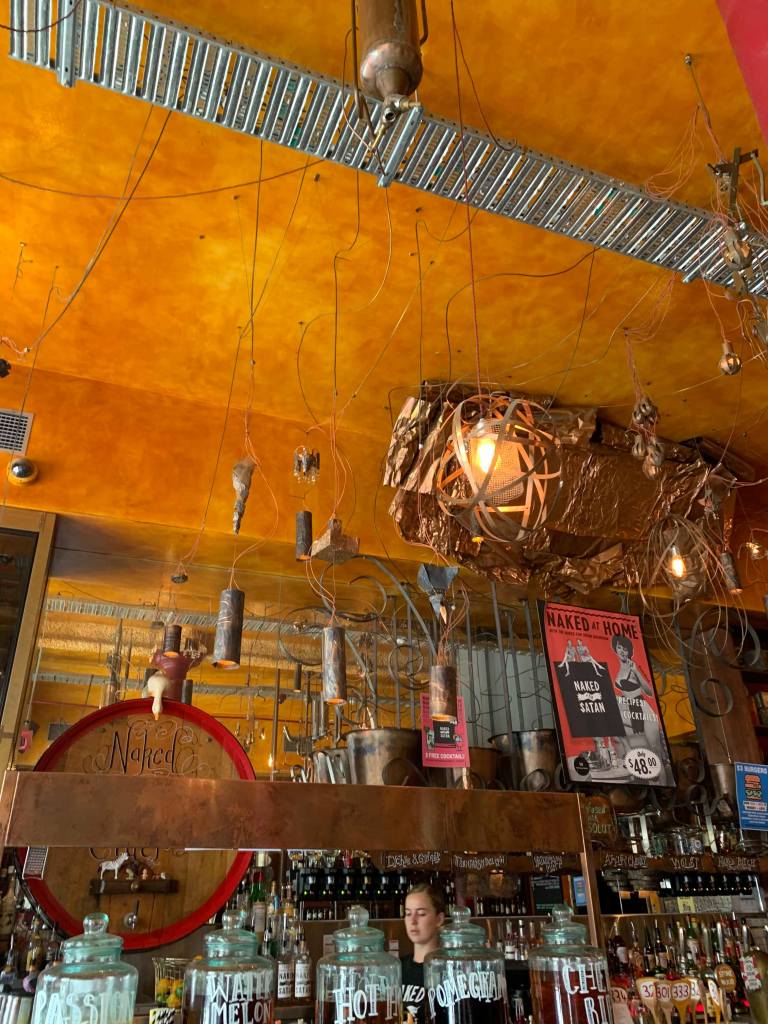
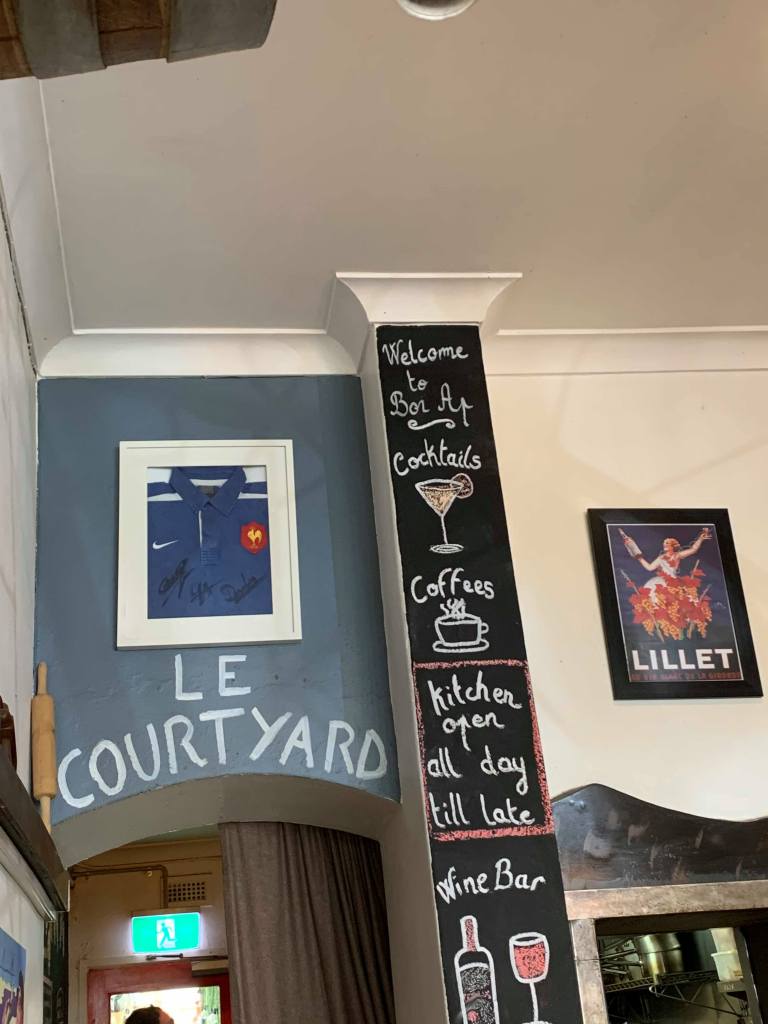
My culinary exploration reflected the importance of migration in shaping Melbourne’s culinary identity. Quintessential ‘authentic’ restaurants exist to reconnect migrants with their now distant homeland, a positive form of nostalgia. Enabled by globalization, restaurants merge different culinary traditions to create a novel dining experience. Such heterogeneity gives me both a sense of belonging and novelty. There is always an excitement in experiencing something new, and comfort in understanding that others came from a different place like I am.
Yet it also made me reflect what migrants had to endure to keep their culinary traditions alive, fighting against the Australianization of their cuisine. Hence, my culinary adventure also provokes me to think about the broader socio-political issues regarding migrants and the border. Of course, food will somehow be a part of those issues.
 Annette's Taste of Europe